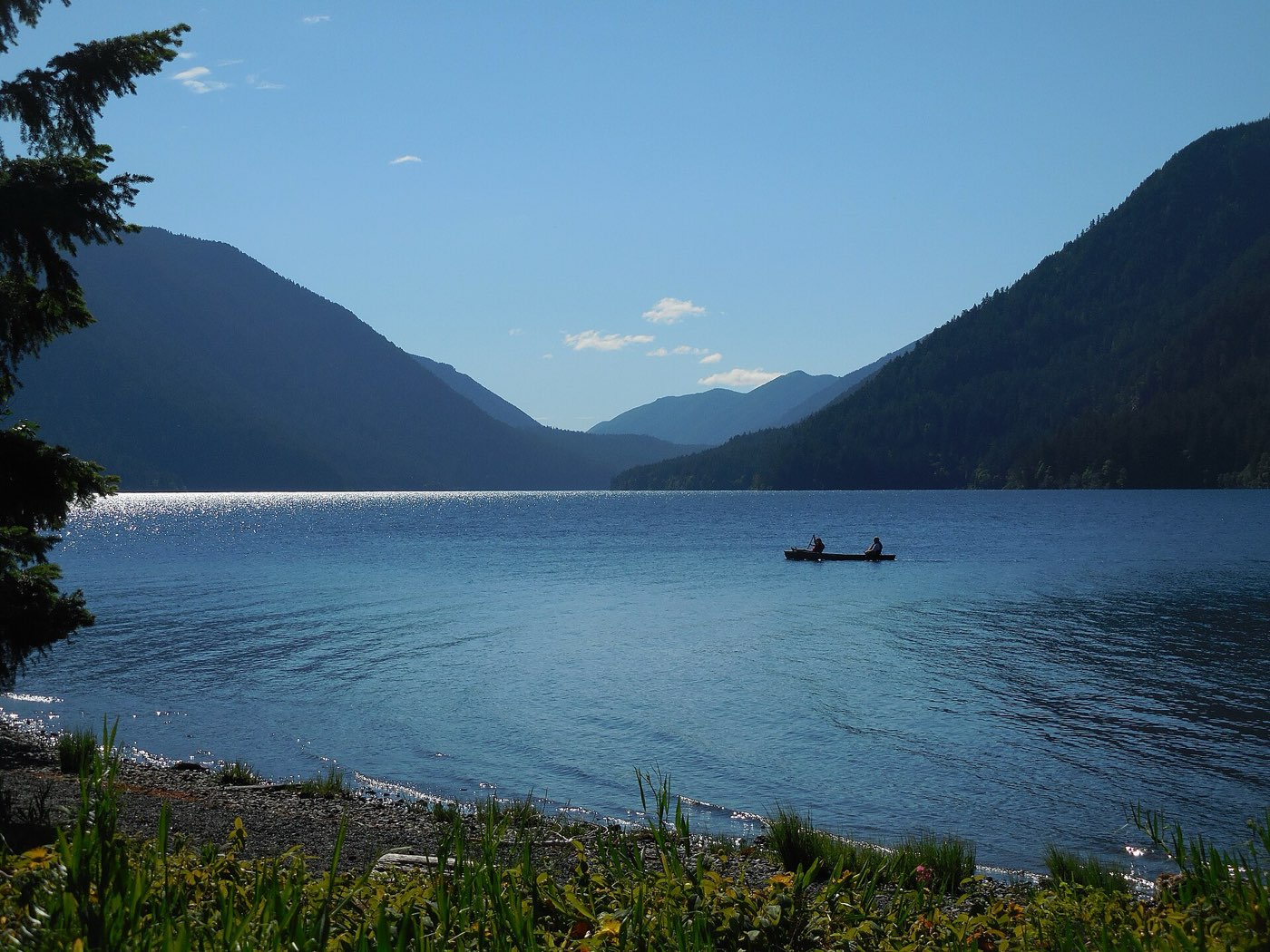
Lake-country bad days
- The portage roll. Rocky trail, canoe overhead, sixty pounds on tired shoulders — and an ankle rolls fifty yards from the far end. She can’t bear weight, and you’re three portages in.
- The axe at dusk. Wet wood, tired arms, one glancing swing, and a shin opens up. Direct pressure just became the evening’s whole agenda.
- Thunder on the crossing. Mid-lake, the sky goes green-black and the first strike hits the far point. Getting off open water is the medicine; everything else waits.
Portage-order reading
Ordered by what lake country actually breaks:
- Musculoskeletal Injuries — ankles and wrists fail on portages, under load, on wet rock
- Bleeding & Wounds — axes and saws at camp — pressure, packing, no peeking
- Cold Injuries — a swamped canoe in May water is a hypothermia problem with a boat attached
- Water & Lightning — thunder on an open crossing — off the water first, medicine second
- Evacuation — when help is days away, the note and the messengers carry the mission
Then pressure-test it
Interactive scenarios — one decision at a time, tempting mistakes included, debrief at the end:
- Wiggle, Feel, Warm — the portage wrist, splinted and re-checked
- Stop Peeking — the axe wound and the pressure you don’t lift
- Two Go, One Stays — the note that travels three portages without you
The certification question, honestly. “Wilderness First Aid” isn’t a regulated credential. No government body defines what a WFA card means — it means whatever the company that printed it says it means. What counts in front of a patient is whether you can do the work. This course teaches the work, free, and issues a record of completion — not a certificate, and we won’t pretend otherwise. Outfitters and camps that staff trips usually require a WFA or WFR card from a recognized provider — this doesn’t check that box and isn’t trying to. It’s the fluency you bring to the paid course, and keep between trips. If nobody requires you to hold a card, what you need are the skills, not the laminate.
What this is
Fifteen lessons, a 40-question knowledge check, sixteen practice scenarios, a printable field reference card, and a kit checklist. Free, no account, nothing recorded about you, source on GitHub. It teaches decision-making, not hands-on skill — practice the hands-on parts on a real, padded, complaining friend.
Other people who read water: fly fishing & backcountry anglers · surfers & remote surf camp operators · freedivers, spearfishers & remote scuba divers