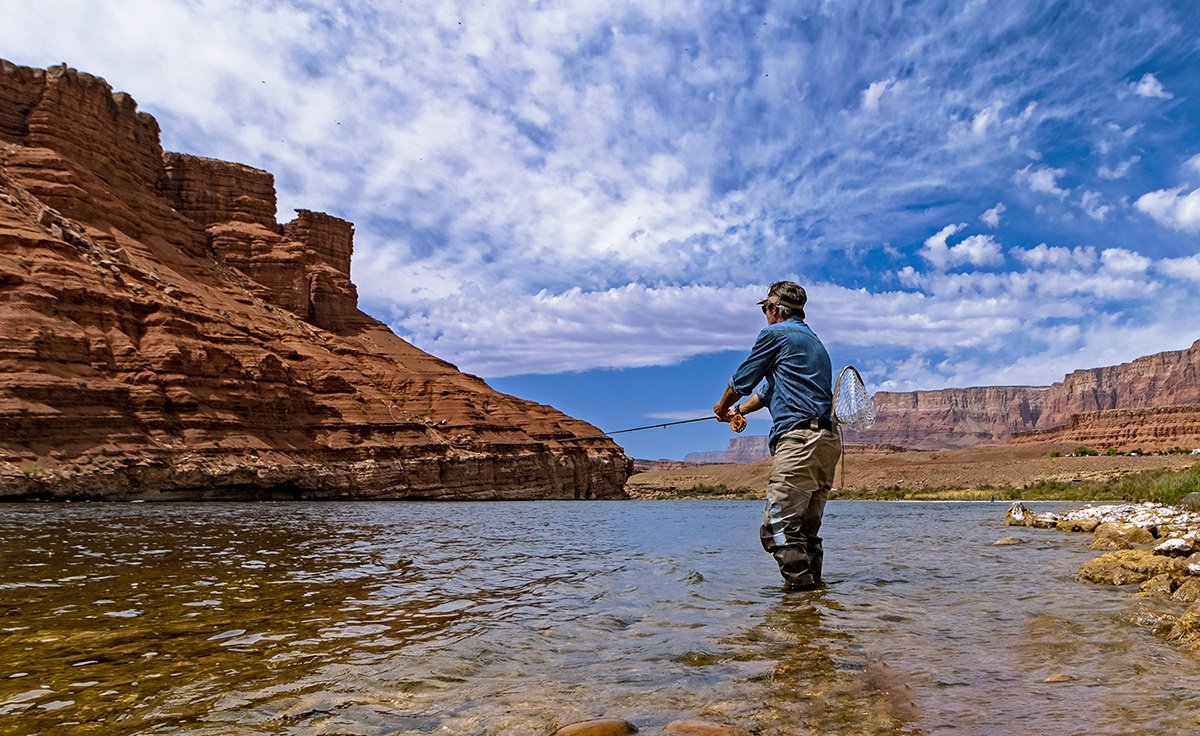
What the river collects
- The slick rock. He went down mid-river and came up laughing, holding his wrist. Solo, or two miles of bank from the truck, that fall is a bigger event than he’s admitting.
- Waders, full. One step past the seam and the river comes in over the top. March water doesn’t care that the sun is out — get him dry, get him insulated, and watch what the shivering does.
- Indigestion, he says. He’s 61, sweating in a cool breeze, rubbing his sternum between casts. Chest pain plus denial is a pattern, and the pattern has a protocol.
Five lessons before the next float
Tied in the order your water serves them:
- Bleeding & Wounds — wound-care judgment covers hooks too — no barb tricks, just clean calls
- Cold Injuries — a full set of waders is an immersion suit that works in reverse
- Medical Emergencies — chest pain, denial, aspirin — the older-angler chapter
- Patient Assessment — the wading fall that “was nothing” — serial vitals decide
- Evacuation — fishing solo means the plan you left with someone is the rescue plan
Then pressure-test it
Interactive scenarios — one decision at a time, tempting mistakes included, debrief at the end:
- Stop Peeking — direct pressure, held without looking
- It’s Not Indigestion — riverside chest pain and the denial that comes with it
- The Guy Who’s Fine — he says it was nothing — the second set of vitals disagrees
The certification question, honestly. “Wilderness First Aid” isn’t a regulated credential. No government body defines what a WFA card means — it means whatever the company that printed it says it means. What counts in front of a patient is whether you can do the work. This course teaches the work, free, and issues a record of completion — not a certificate, and we won’t pretend otherwise. Guide services and lodges that require a provider’s card mean a recognized in-person course — take it, and you’ll arrive already fluent. For everyone else, this is the standard of care your fishing partners deserve anyway. If nobody requires you to hold a card, what you need are the skills, not the laminate.
What this is
Fifteen lessons, a 40-question knowledge check, sixteen practice scenarios, a printable field reference card, and a kit checklist. Free, no account, nothing recorded about you, source on GitHub. It teaches decision-making, not hands-on skill — practice the hands-on parts on a real, padded, complaining friend.
Other people who read water: surfers & remote surf camp operators · freedivers, spearfishers & remote scuba divers · boat captains & crew, commercial and recreational