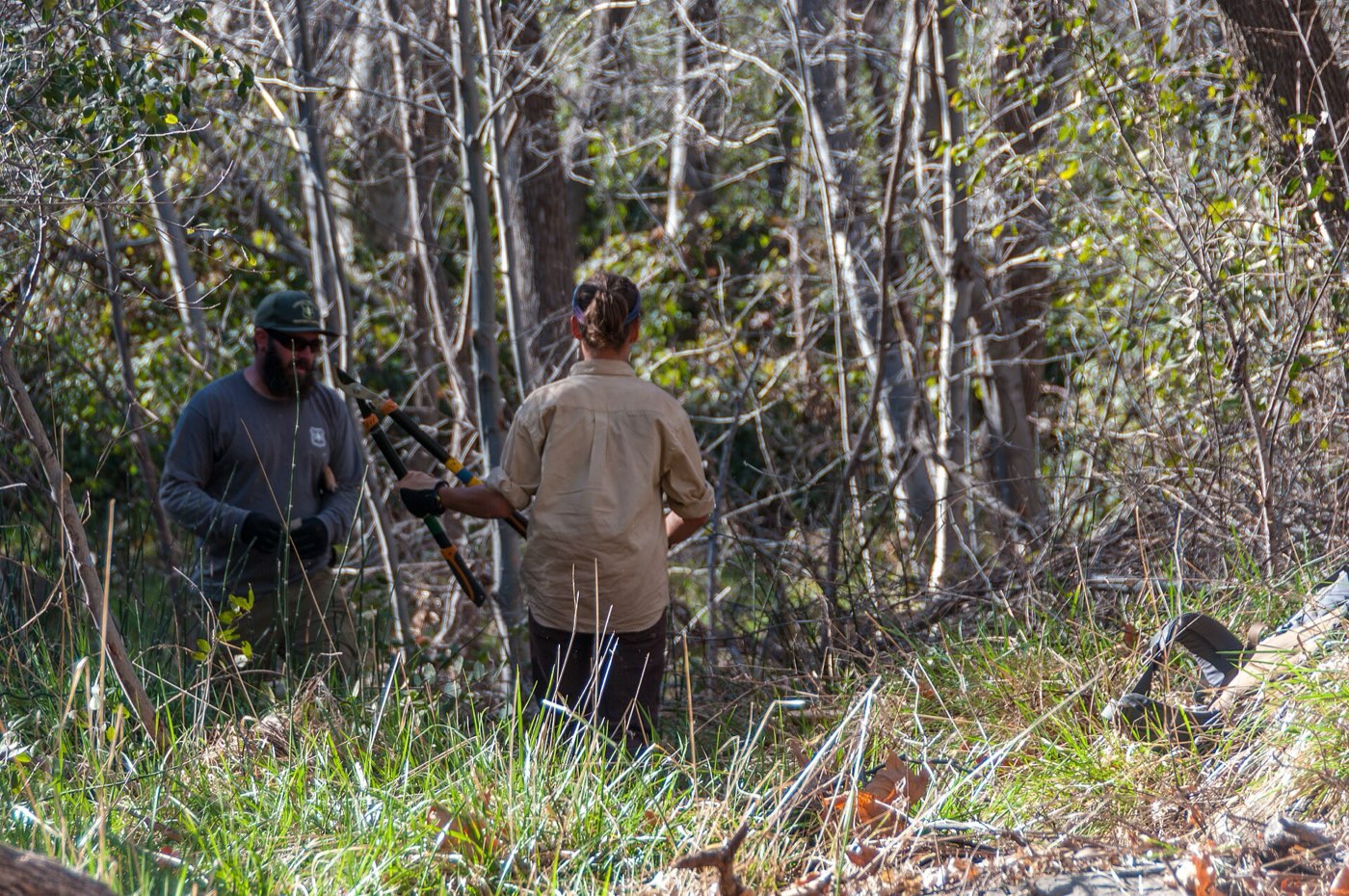
Hitch hazards
- The rock moves wrong. A two-hundred-pounder shifts off the bar and takes a corps member’s foot. Crush injuries swell — the boot decision, the splint, and the CSM checks start now, not at the trailhead.
- The axe glances. Limbing at the end of a long day, the bit skips off a knot and opens a shin. Direct pressure, held without peeking, while the crew leader runs the rest of the scene.
- Day six of eight. A crew member has been quiet since breakfast and now can’t keep water down. Sick, far in, six days of work still scheduled — the evac decision is yours, and hope is not a plan.
The crew-leader five
Ordered for rock bars and crosscuts:
- Bleeding & Wounds — edge tools write the curriculum — pressure, packing, dressing
- Musculoskeletal Injuries — crush and fracture care, splinted with what the crew carries
- Patient Assessment — a system the greenest crew member can follow
- Evacuation — messengers, notes, and spending a crew wisely
- Kits & Preparation — the crew kit, scaled for ten people and eight days
Then pressure-test it
Interactive scenarios — one decision at a time, tempting mistakes included, debrief at the end:
- Stop Peeking — direct pressure, held like you mean it
- Wiggle, Feel, Warm — splint it, then prove the fingers still work
- Two Go, One Stays — who goes, who stays, what the note says
The certification question, honestly. “Wilderness First Aid” isn’t a regulated credential. No government body defines what a WFA card means — it means whatever the company that printed it says it means. What counts in front of a patient is whether you can do the work. This course teaches the work, free, and issues a record of completion — not a certificate, and we won’t pretend otherwise. Many corps and agencies require crew leaders to hold a WFA or WFR card from a recognized provider — that requirement stands. Members use this to arrive fluent; leaders use it to stay sharp between hitches. If nobody requires you to hold a card, what you need are the skills, not the laminate.
What this is
Fifteen lessons, a 40-question knowledge check, sixteen practice scenarios, a printable field reference card, and a kit checklist. Free, no account, nothing recorded about you, source on GitHub. It teaches decision-making, not hands-on skill — practice the hands-on parts on a real, padded, complaining friend.
Other far-from-help day jobs: wind & solar field technicians · outdoor & adventure photographers and documentary crews · field biologists, ecologists & environmental consultants