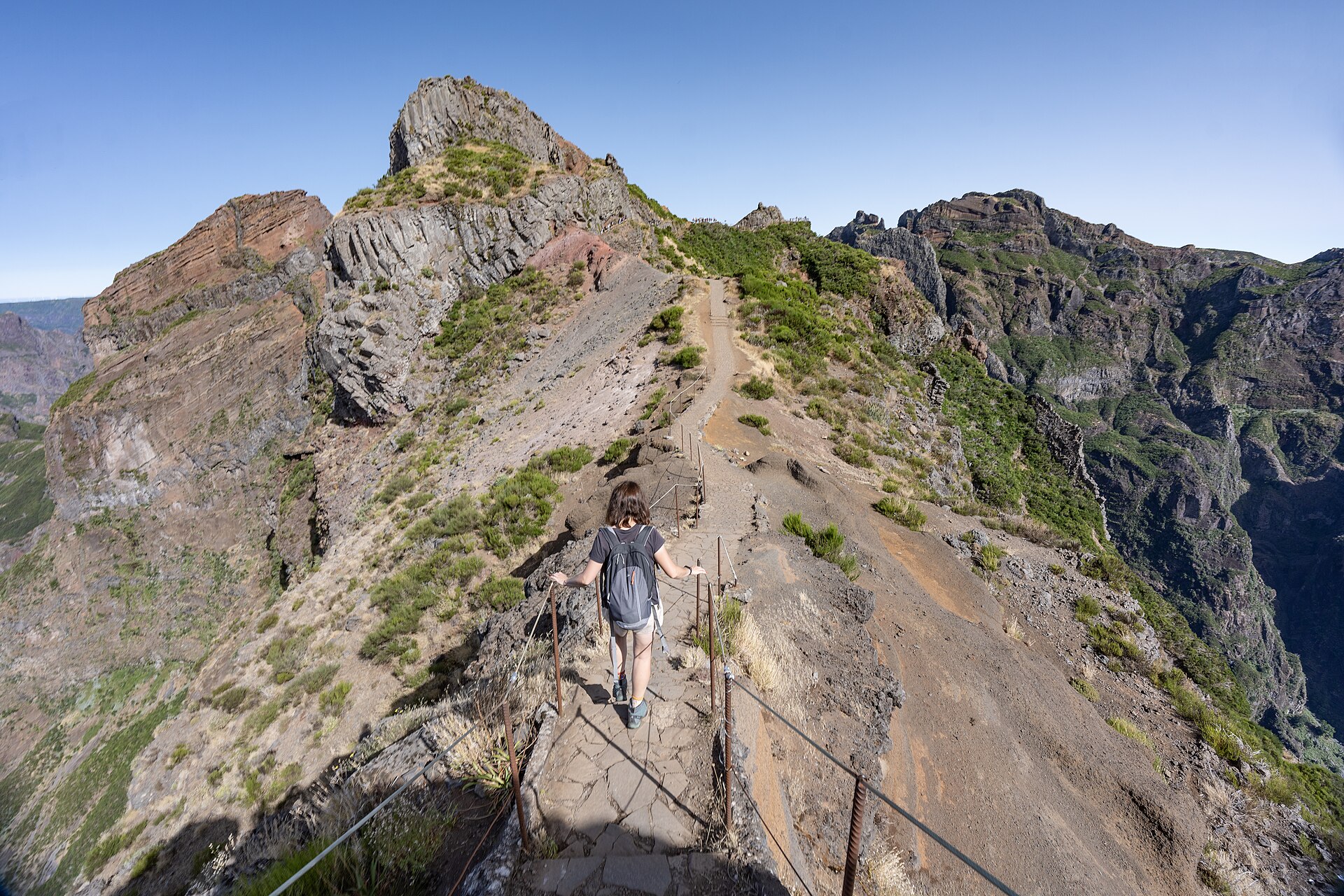
The trail keeps a ledger
- Forty-five and raining. Nobody falls and nobody yells — the hiker at the shelter just goes quiet, fumbles her stove, and stops shivering. That last part is worse, not better, and it looks like a nap.
- The desert section bites. A rattlesnake tags a calf on the morning road-walk. Everything the movies taught makes it worse; the real protocol is a marked swelling line, an immobilized leg, and an evacuation that starts now.
- The solo stretch. An ankle rolls fourteen miles from pavement and the next hiker through is tomorrow. What saves you was decided back in town: who knows your plan, and when they’d start wondering.
Zero-day reading order
Every lesson is short enough for town-stop wifi; these five earn their spot first:
- Cold Injuries — wet-cold on a 50-degree day drops more hikers than blizzards do
- Bites & Stings — you walk past more snakes than you see — until you don’t
- Medical Emergencies — five months is long enough for anybody’s body to file a complaint
- Evacuation — solo math — who knows where you are, and how help finds a trail name
- Kits & Preparation — a kit that survives your own shakedown and restocks at gas stations
Then pressure-test it
Interactive scenarios — one decision at a time, tempting mistakes included, debrief at the end:
- Sharpie on the Leg — the rattlesnake, minus the movie medicine
- The Burrito — turning a wet, cold hiker back around
- Two Go, One Stays — getting word out when the phone is a brick
The certification question, honestly. “Wilderness First Aid” isn’t a regulated credential. No government body defines what a WFA card means — it means whatever the company that printed it says it means. What counts in front of a patient is whether you can do the work. This course teaches the work, free, and issues a record of completion — not a certificate, and we won’t pretend otherwise. Nobody checks cards at a trailhead register, and this course doesn’t issue one — just a record of completion. If you want hands-on practice before a long walk, a weekend WFA class from NOLS or SOLO is money well spent; this gets you to that weekend ready to practice instead of memorize, and keeps the doctrine warm around mile 1,200. If nobody requires you to hold a card, what you need are the skills, not the laminate.
Trail-register questions
What actually ends thru-hikes?
Rarely bears, rarely cliffs. Feet, wet cold, dehydration, and ordinary bodies doing extraordinary mileage — the dangerous stuff is the stuff that looks like a bad day until it isn’t. Cold Injuries and Medical Emergencies cover the two that sneak up.
Do I actually need to worry about snakes?
You’ll walk past far more than you’ll ever see, and that’s fine — until the road-walk morning one objects. The protocol has no folklore in it: mark the swelling edge with a time, immobilize the limb, jewelry off, evacuate now. No cutting, no sucking, no ice, no chasing the snake for identification.
What’s a realistic thru-hiker first aid kit?
One that restocks at gas stations: tape for feet, gloves, gauze, an elastic wrap, and the over-the-counter basics. If an item survives three shakedowns and you still can’t say what it’s for, mail it home. Start from the kit checklist and argue with every gram.
What this is
Fifteen lessons, a 40-question knowledge check, sixteen practice scenarios, a printable field reference card, and a kit checklist. Free, no account, nothing recorded about you, source on GitHub. It teaches decision-making, not hands-on skill — practice the hands-on parts on a real, padded, complaining friend.
Same trails, different speeds: bikepackers & gravel cyclists · canyoneers & slot canyon explorers · disc golfers on wooded & remote courses