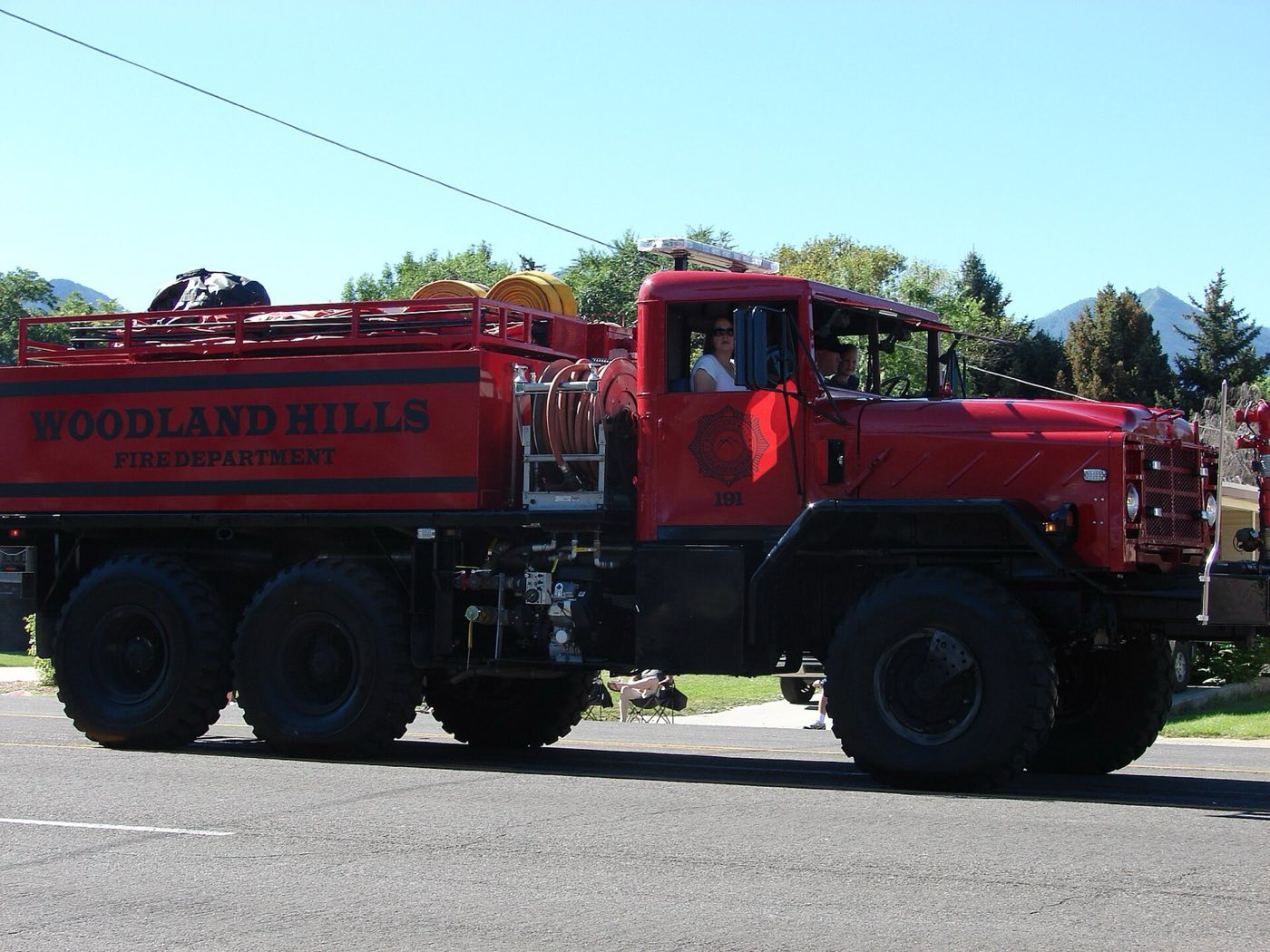
First-due, no ambulance
- Chest pain at the ranch. He met you at the gate, and everyone takes that as a good sign — it isn’t. Crushing pressure, sweat, denial: stop the walking, sit him down, aspirin if nothing forbids it.
- The hunter two ridges in. Dispatch has a cell ping and a description of a gate. Everything between your brush truck and the ambulance rendezvous is assessment, packaging, and a carry — the wilderness half of the fire job.
- The rollover on the county road. High-energy mechanism, an ejected passenger quiet in the grass, eight minutes before the next unit. Snoring isn’t sleeping — the airway comes before everything but the bleeding.
Between-calls study order
Ordered by what your run log already says:
- Patient Assessment — the system that fills the gap before the ambulance
- Medical Emergencies — chest pain, sugar, and the calls that fill the run log
- Airway & Breathing — positioning an airway you can hear — no equipment required
- Shock — the trend that tells you how fast this is going bad
- Evacuation — rendezvous points, messengers, and moving patients toward help
Then pressure-test it
Interactive scenarios — one decision at a time, tempting mistakes included, debrief at the end:
- It’s Not Indigestion — denial, aspirin, and the collapse branch
- Snoring Isn’t Sleeping — the passenger who sounds asleep and isn’t
- The Guy Who’s Fine — serial vitals catch the quiet bleed
The certification question, honestly. “Wilderness First Aid” isn’t a regulated credential. No government body defines what a WFA card means — it means whatever the company that printed it says it means. What counts in front of a patient is whether you can do the work. This course teaches the work, free, and issues a record of completion — not a certificate, and we won’t pretend otherwise. State and department EMR or EMT requirements for medical response are real, and this course contributes hours toward none of them. Treat it as study support: fluency before the class, sharpness between the calls. If nobody requires you to hold a card, what you need are the skills, not the laminate.
What this is
Fifteen lessons, a 40-question knowledge check, sixteen practice scenarios, a printable field reference card, and a kit checklist. Free, no account, nothing recorded about you, source on GitHub. It teaches decision-making, not hands-on skill — practice the hands-on parts on a real, padded, complaining friend.
Others who answer the call: park rangers, game wardens & conservation officers · ski patrol volunteers & resort safety staff · SAR candidates & volunteers