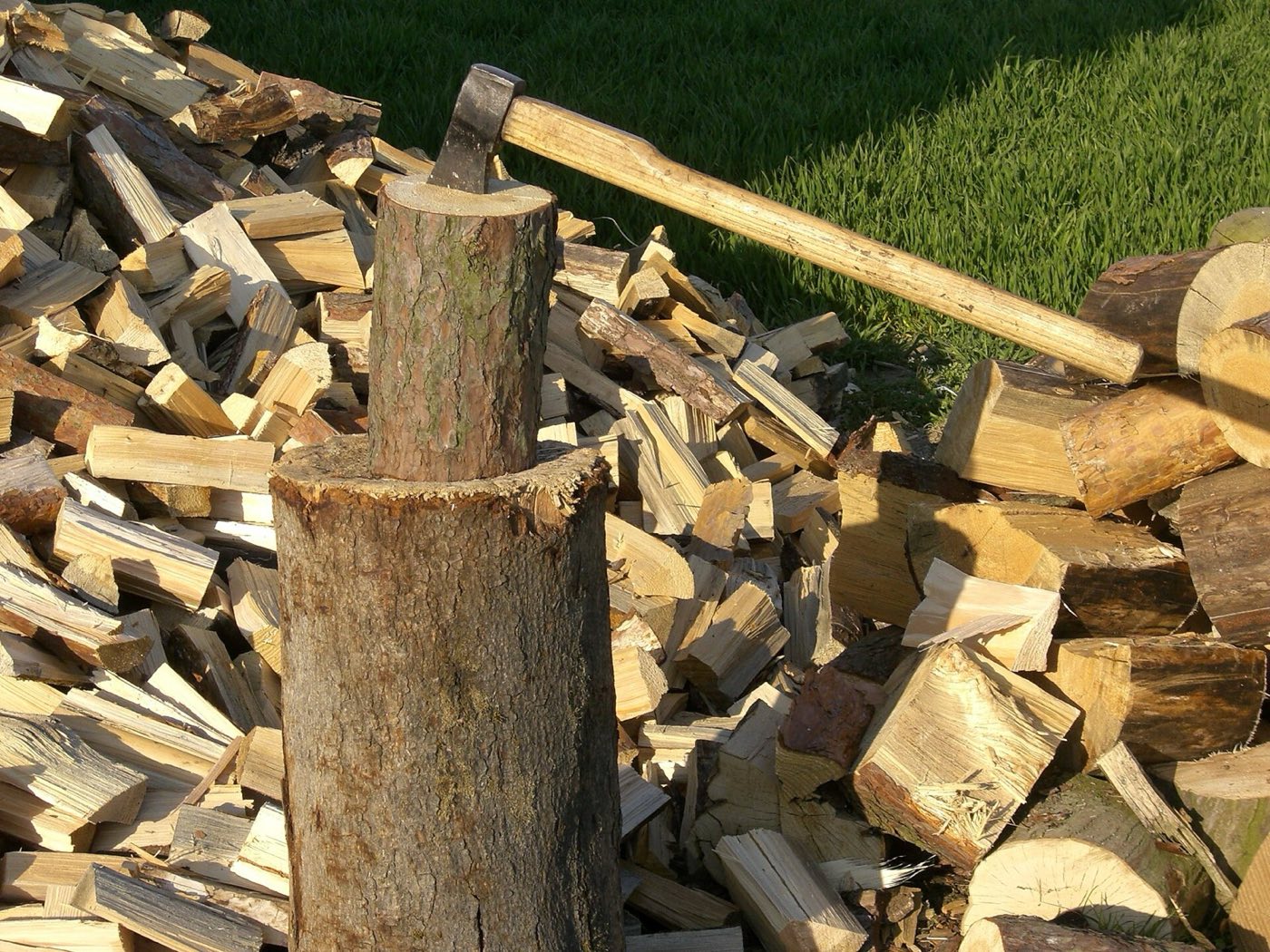
The woodpile ledger
- The saw kicks back. Chainsaws don’t make neat wounds. A leg opens up at the woodpile, forty minutes of gravel from help, and the next three minutes belong to whoever is standing there — tourniquet or pressure, decided fast, done without flinching.
- The kettle lives on the stove. Wood heat is a five-hundred-degree steel box at kid height. Burn care is family medicine out here: cool it, cover it, and judge honestly whether this one needs the drive.
- The heifer didn’t mean it. She catches your husband square in the ribs at the chute, and he waves it off. Blunt trauma bleeds where you can’t see it — the second set of vitals is the one that tells the truth.
Kitchen-table study order
Read these five first — evenings, kitchen table, whole family:
- Bleeding, Wounds & Burns — the chainsaw, the splitter, and the stove — pressure, tourniquets, and burn care in one lesson
- Patient Assessment — a system that holds when the patient is your spouse and your hands are shaking
- Musculoskeletal Injuries — ladder falls and livestock kicks — splint it right the first time
- Evacuation — when to drive, when to call, and how to make forty minutes shorter
- Kits & Preparation — a real kit for the shop, the barn, and the truck — stocked for your actual hazards
Then pressure-test it
Interactive scenarios — one decision at a time, tempting mistakes included, debrief at the end:
- Stop Peeking — deep laceration, steady pressure — the chainsaw drill
- The Guy Who’s Fine — blunt trauma hides — vitals twice, believe the trend
- Wiggle, Feel, Warm — the splint check you’ll be doing on family
The certification question, honestly. “Wilderness First Aid” isn’t a regulated credential. No government body defines what a WFA card means — it means whatever the company that printed it says it means. What counts in front of a patient is whether you can do the work. This course teaches the work, free, and issues a record of completion — not a certificate, and we won’t pretend otherwise. If you organize with a county CERT team or volunteer fire, their training requirements stand — this gets you fluent before the class and keeps you sharp after. A hands-on Stop the Bleed session is a worthwhile Saturday; bring the neighbors. If nobody requires you to hold a card, what you need are the skills, not the laminate.
What this is
Fifteen lessons, a 40-question knowledge check, sixteen practice scenarios, a printable field reference card, and a kit checklist. Free, no account, nothing recorded about you, source on GitHub. It teaches decision-making, not hands-on skill — practice the hands-on parts on a real, padded, complaining friend.
Other far-from-town neighbors: ranchers, farmers & rural landowners · big game hunters & backcountry bowhunters · horsepackers & equestrian trail riders