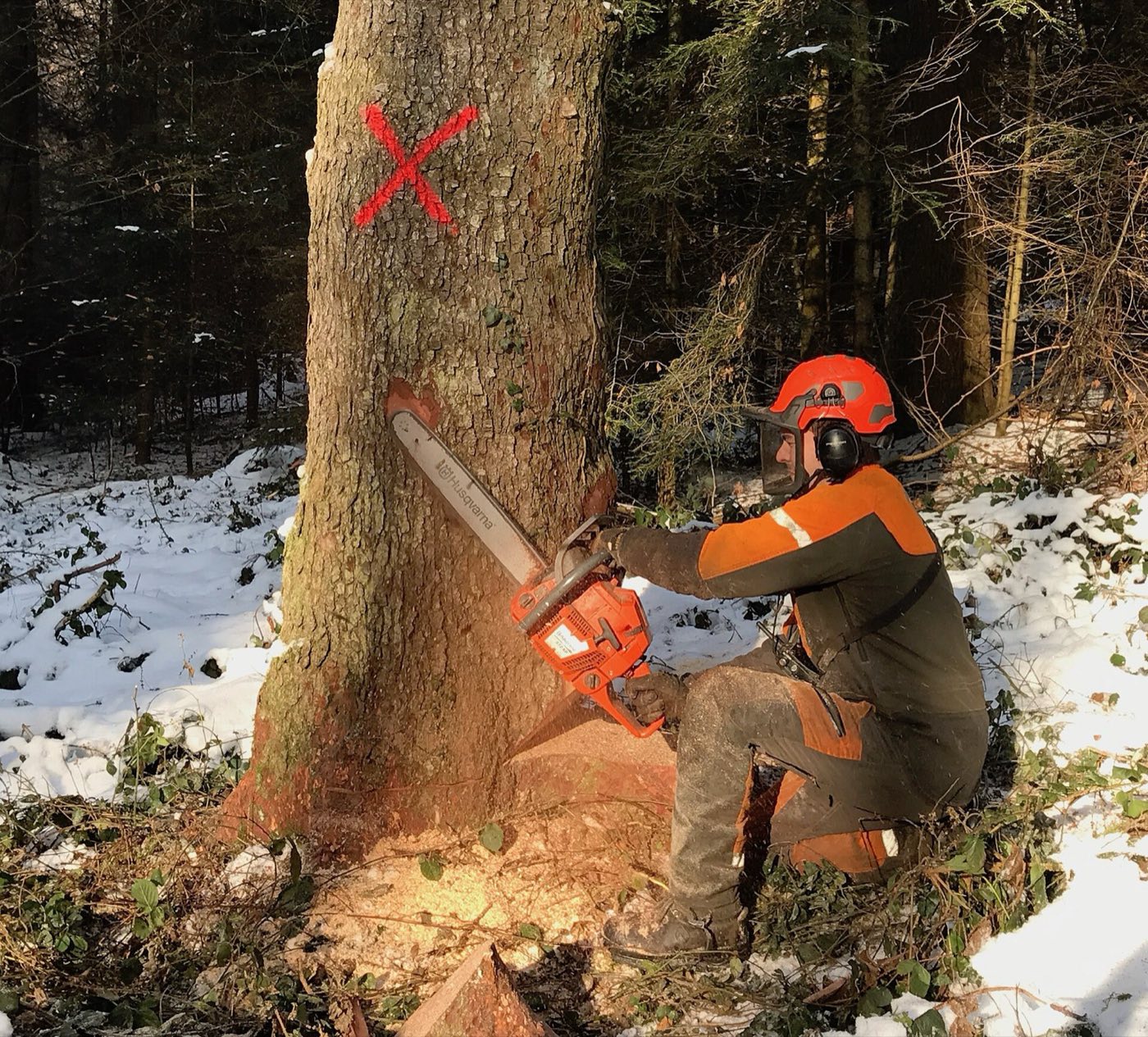
When the woods bite back
- Kickback, inner thigh. The saw jumps and the chaps take most of it — most. Bright red and pulsing, high on the leg: this is the tourniquet’s moment, and fluency beats improvisation.
- The limb nobody saw. A dead top lets go and your partner is under it, dazed, neck sore. Overhead hazards first — then keep him still and ask the spine questions.
- Cruising alone, unit 40. You’re solo on a timber cruise when the ground rolls an ankle out from under you. The check-in window you set this morning is now the rescue plan — be the person who set one.
Crummy-ride reading order
Five lessons, ordered by what the unit serves up:
- Bleeding & Wounds — tourniquets and pressure — the chainsaw curriculum
- Provider Safety — overhead hazards don’t stop being hazards when someone’s down
- Spine Injuries — struck-by mechanism means spine questions, every time
- Patient Assessment — serial vitals on the partner who says he’s fine
- Evacuation — no bars in the unit — messengers, notes, and a meet point
Then pressure-test it
Interactive scenarios — one decision at a time, tempting mistakes included, debrief at the end:
- Stop Peeking — pressure held through the urge to look
- Don’t Sit Him Up — the sore neck you still have to move
- Two Go, One Stays — sending for help when nothing has bars
The certification question, honestly. “Wilderness First Aid” isn’t a regulated credential. No government body defines what a WFA card means — it means whatever the company that printed it says it means. What counts in front of a patient is whether you can do the work. This course teaches the work, free, and issues a record of completion — not a certificate, and we won’t pretend otherwise. If your employer or OSHA requires a first-aid card for your crew, that stands — take that class. This gets you fluent before it and keeps the skills warm between renewals. If nobody requires you to hold a card, what you need are the skills, not the laminate.
What this is
Fifteen lessons, a 40-question knowledge check, sixteen practice scenarios, a printable field reference card, and a kit checklist. Free, no account, nothing recorded about you, source on GitHub. It teaches decision-making, not hands-on skill — practice the hands-on parts on a real, padded, complaining friend.
Other far-from-help day jobs: wildland firefighters & support crews · trail crews, conservation corps & volunteer stewards · wind & solar field technicians