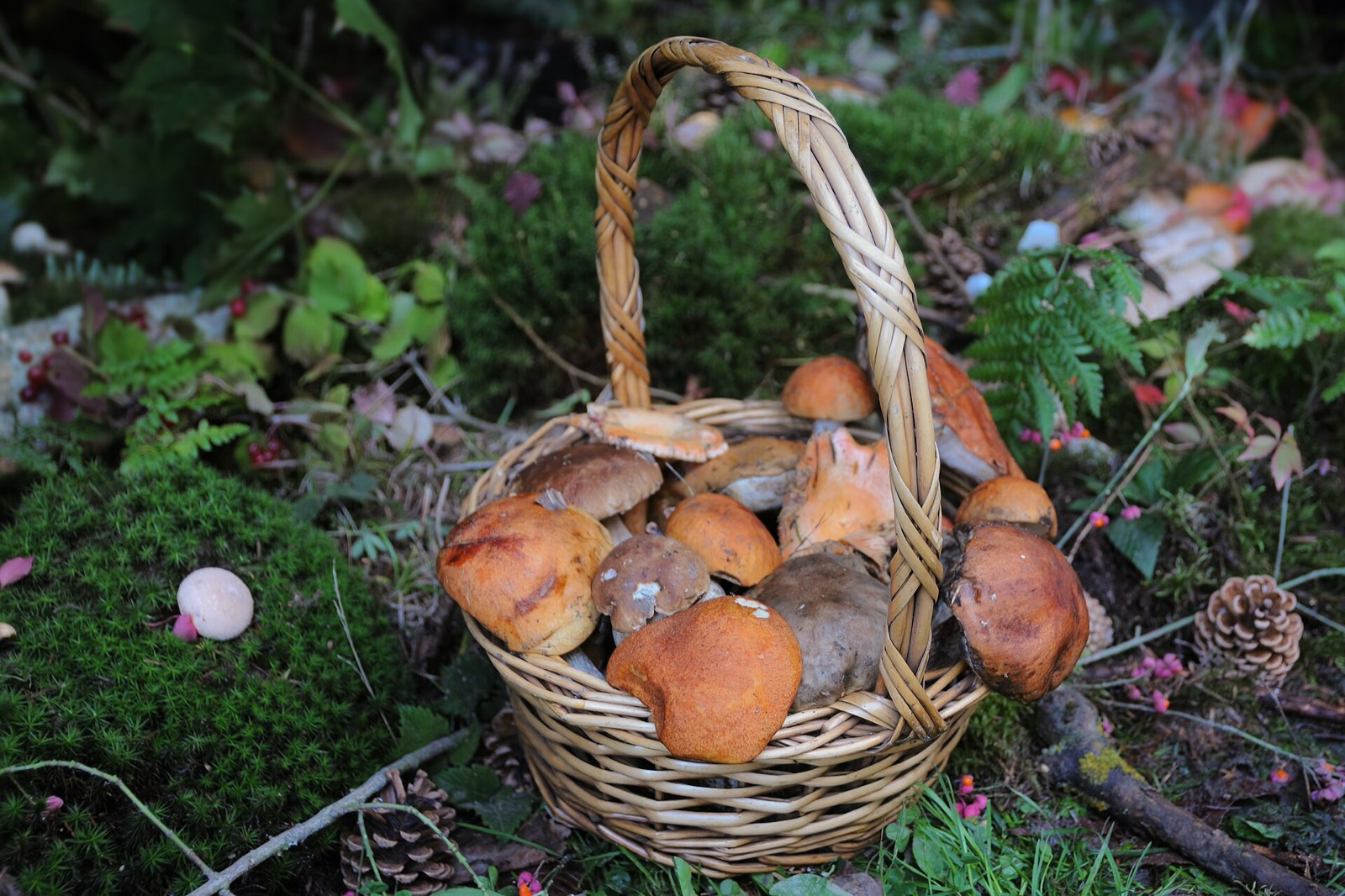
What the leaf litter holds
- The hand goes where the eyes went. Reaching past the chanterelle into the leaf litter, your fingers find the snake before your eyes do. Mark the swelling’s edge with a time, jewelry off, keep the arm still, start walking out — and skip everything the movies taught you.
- The ground was the nest. Yellowjackets live under the bramble you’ve been working for twenty minutes. A dozen stings later your foraging partner has hives and a wheeze — that combination means epinephrine now, and antihistamines are backup, never the plan.
- Three ridges past the flagging. Good patches don’t grow beside trails. An ankle rolls in a creek bottom at dusk, the way back is a guess, and nobody knows which forest you drove to — that last part is fixable tonight, free.
Between-seasons reading
Ordered by what finds your hands first:
- Bites & Stings — snakes and stinging things live where your hands work — the doctrine, minus the movie medicine
- Anaphylaxis — ground nests run the sting count up fast — epi first, early
- Musculoskeletal Injuries — off-trail travel is an ankle tax — splint it, then rethink the walk out
- Evacuation — being findable: the plan you leave behind, and when to spend your remaining daylight
- Kits & Preparation — the kit and the check-in habit that fit beside the basket
Then pressure-test it
Interactive scenarios — one decision at a time, tempting mistakes included, debrief at the end:
- Sharpie on the Leg — snakebite, and every wrong thing the movies taught you
- Find the Epi — stings to wheeze in five minutes — beat the clock
- Two Go, One Stays — getting help to a patch that isn’t on any map
The certification question, honestly. “Wilderness First Aid” isn’t a regulated credential. No government body defines what a WFA card means — it means whatever the company that printed it says it means. What counts in front of a patient is whether you can do the work. This course teaches the work, free, and issues a record of completion — not a certificate, and we won’t pretend otherwise. There’s no first aid card for foraging — the credential that keeps mushroom hunters alive is identification discipline, and you get that from your mycological society and your keys, not from us. Keep the poison control number (1-800-222-1222 in the US) written somewhere that doesn’t need a battery. If nobody requires you to hold a card, what you need are the skills, not the laminate.
What this is
Fifteen lessons, a 40-question knowledge check, sixteen practice scenarios, a printable field reference card, and a kit checklist. Free, no account, nothing recorded about you, source on GitHub. It teaches decision-making, not hands-on skill — practice the hands-on parts on a real, padded, complaining friend.
Other far-from-town neighbors: vanlifers & full-time RV travelers · hunters & anglers · off-grid homesteaders & self-reliance folks