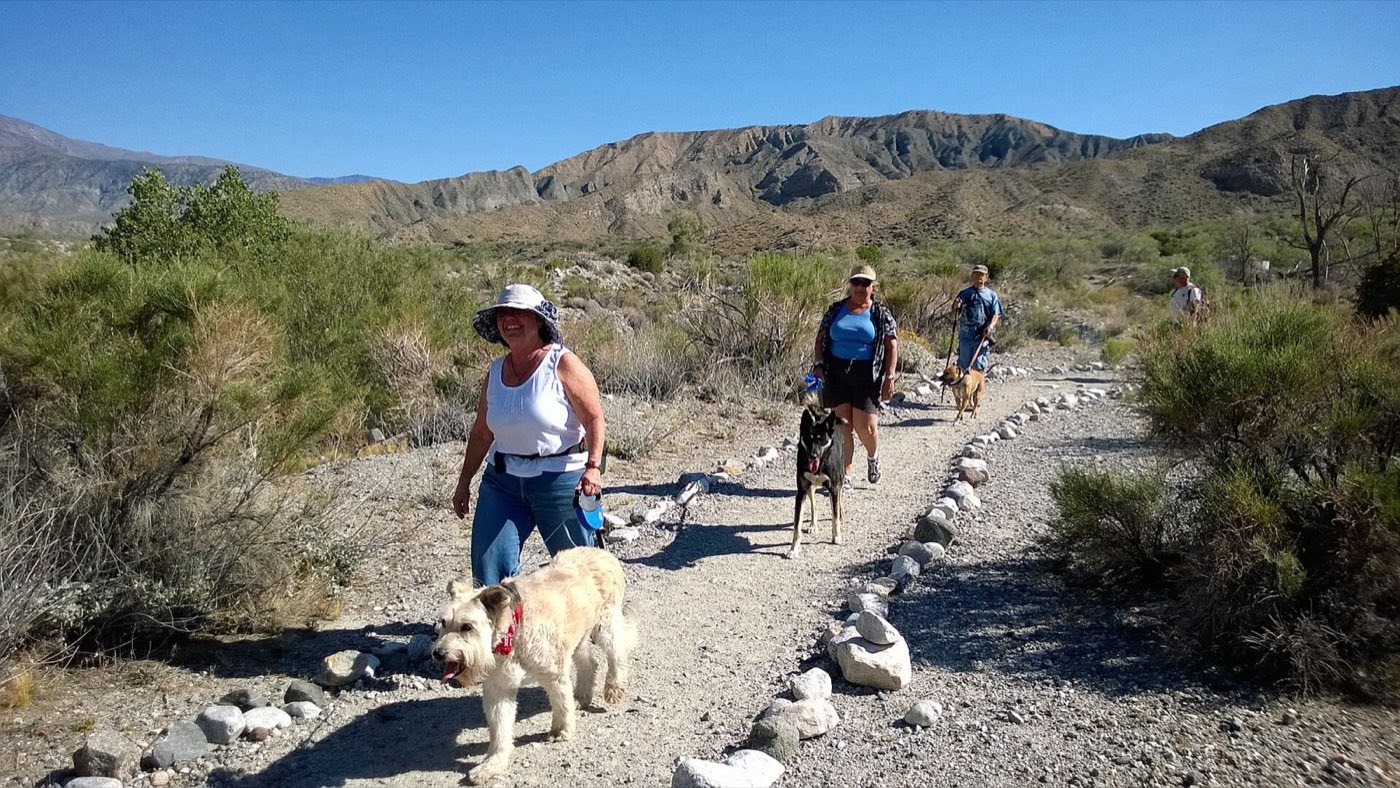
On the morning loop
- The breakup. Two dogs decide, and your hand is the closest thing to grab. Bite wounds want real irrigation, honest bandaging, and a low threshold for a clinic visit — Lesson 12 does it properly.
- Six leashes, one root. The pack surges at a squirrel, the leads wrap your knees, and the trail wins. FOOSH wrists and hip landings are the leash-tangle tax — splint, check, re-check.
- The regular who isn’t moving. Same loop, same faces — until the morning cyclist is off the trail at the bottom of the switchback. You’re first on scene by default, and the next ten minutes are this course.
Between-walk reading
Five lessons, ordered by what the job serves up:
- Bites & Stings — dog-bite wound care, done right the first time
- Bleeding & Wounds — punctures, tears, and pressure that actually stops it
- Musculoskeletal Injuries — wrists and hips — yours and the people you find
- Heat Illness — you already watch the dogs for it; humans need the same eye
- Patient Assessment — a system for the stranger down, starting from nothing
Then pressure-test it
Interactive scenarios — one decision at a time, tempting mistakes included, debrief at the end:
- Snoring Isn’t Sleeping — the runner down who isn’t napping
- Stop Peeking — pressure held through the urge to look
- Wiggle, Feel, Warm — the FOOSH wrist and the CSM habit
The certification question, honestly. “Wilderness First Aid” isn’t a regulated credential. No government body defines what a WFA card means — it means whatever the company that printed it says it means. What counts in front of a patient is whether you can do the work. This course teaches the work, free, and issues a record of completion — not a certificate, and we won’t pretend otherwise. Pet first aid classes cover the dogs; this covers the humans. If a client contract or insurer wants a human first aid card, take an in-person class — you’ll walk in already fluent. If nobody requires you to hold a card, what you need are the skills, not the laminate.
What this is
Fifteen lessons, a 40-question knowledge check, sixteen practice scenarios, a printable field reference card, and a kit checklist. Free, no account, nothing recorded about you, source on GitHub. It teaches decision-making, not hands-on skill — practice the hands-on parts on a real, padded, complaining friend.
Others out there with a crowd of kids: scout & youth outdoor leaders · summer camp counselors & activity directors · outdoor education instructors, university rec staff & school trip coordinators